

Cancel Cultures
1 Maccabees 1:41-63

How important is our culture to us today?
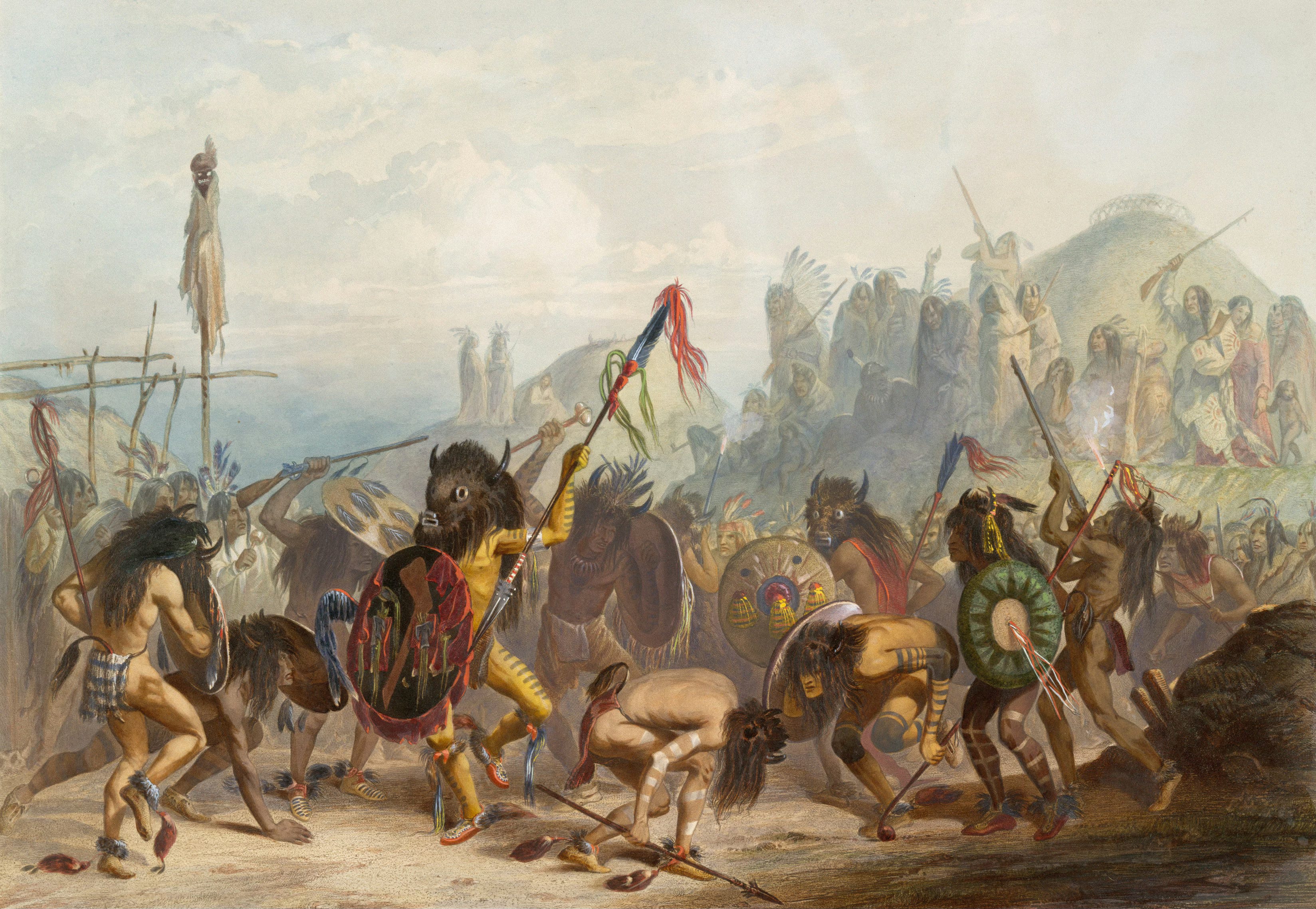
Photo by The New York Public Library on Unsplash
Then the king wrote to his whole kingdom that all should be one people, and that all should give up their particular customs. All the Gentiles accepted the command of the king. Many even from Israel gladly adopted his religion; they sacrificed to idols and profaned the sabbath. And the king sent letters by messengers to Jerusalem and the towns of Judah; he directed them to follow customs strange to the land, to forbid burnt offerings and sacrifices and drink offerings in the sanctuary, to profane sabbaths and festivals, to defile the sanctuary and the priests, to build altars and sacred precincts and shrines for idols, to sacrifice swine and other unclean animals, and to leave their sons uncircumcised. They were to make themselves abominable by everything unclean and profane, so that they would forget the law and change all the ordinances. He added, “And whoever does not obey the command of the king shall die.” In such words he wrote to his whole kingdom. He appointed inspectors over all the people and commanded the towns of Judah to offer sacrifice, town by town. Many of the people, everyone who forsook the law, joined them, and they did evil in the land; they drove Israel into hiding in every place of refuge they had. Now on the fifteenth day of Chislev, in the one hundred forty-fifth year, they erected a desolating sacrilege on the altar of burnt offering. They also built altars in the surrounding towns of Judah, and offered incense at the doors of the houses and in the streets. The books of the law that they found they tore to pieces and burned with fire. Anyone found possessing the book of the covenant, or anyone who adhered to the law, was condemned to death by decree of the king. They kept using violence against Israel, against those who were found month after month in the towns. On the twenty-fifth day of the month they offered sacrifice on the altar that was on top of the altar of burnt offering. According to the decree, they put to death the women who had their children circumcised, and their families and those who circumcised them; and they hung the infants from their mothers’ necks. But many in Israel stood firm and were resolved in their hearts not to eat unclean food. They chose to die rather than to be defiled by food or to profane the holy covenant; and they did die. - 1 Macc. 1:41-63
King Antiochus IV Epiphanes issued a decree to abolish all foreign customs in the kingdom, and many went along with that decree.
I could picture many people choosing to do the same today, leaving only the most devout among us to stand on their faith. If a leader of a country tried to do that today, that leader would be compared to Hitler.
The king’s title, Epiphanes, means God Manifest, so he considered himself a god among the people, who referred to him by the term, Epimanes, meaning “the madman.”
The Seleucid Empire, which included Syria, Mesopotamia, parts of Turkey, and Judea, was a Hellenistic empire, meaning it followed Greek ways, including honoring Greek gods.
One thing we should have learned from the massive increase in immigration in the past decade is that people bring their beliefs and culture with them to the new world. They do not want to lose the connection to their past, their ancestors, the foundation of their lives.
No one wants to be told what to believe and how to live.
We do need to abide by the rules and laws of the land, though, and that is at the heart of this reading’s conflict. The Jews would not break their covenant with God.
What the king saw and took advantage of was the dissension among the people of other cultures. So many were willing to give up what they had held dear that he could have felt justified in his actions, creating an empire that was “pure.”
Whether he was looking to bring everyone under his control or using the distinctions among the people as a way to blame the outliers for anything that goes wrong, like Hitler did, we will not know, and perhaps it doesn’t matter. The outcome is the same: murder of those who don’t obey.
Any leader who uses the law to eradicate the customs and culture of the people under his or her control can and will be viewed as evil by those who refuse to comply.
When it involves killing those who fail to conform, done in the name of God, like the Crusades and the Holocaust, then we have madmen. So, maybe we should think about where our policies are meant to protect and where they are meant to exclude and destroy.
In our country, anyone can use their freedom of speech to try to convince others to come to their side, whatever that side is. When we cancel that voice, we create a hostile environment, one where people refuse to comply with the laws.
Depending on who is telling the story, those people are either heroes and martyrs or they are agitators and rebels.
Our history includes both. That appears to be the way of the world. When we push people too far, and limit their ability to exercise their faith or culture, they rebel.
How we see that depends on where we stand.
More to come...