

Equipping the Ill-equipped

Have you ever felt something was missing?
Last night I was blessed to be able to stand in for a fellow deacon in her work with a confirmation class. As is usually the case, I felt I learned more from the kids than they did from me.
The hand of the LORD came upon me, and he brought me out by the spirit of the LORD and set me down in the middle of a valley; it was full of bones. He led me all around them; there were very many lying in the valley, and they were very dry. - Ezekiel 37:1-2
At one point, we read from the Letter of James.
For just as the body without the spirit is dead, so faith without works is also dead. - James 2:26
This passage reminded me of Ezekiel. He was able to prophesy to the bones and cause them to come together, but the bodies were not alive until the breath was put in them.
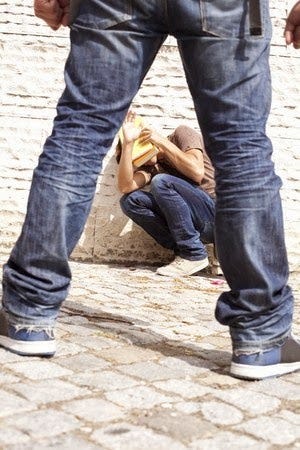
We talked about kids in school who cause trouble, kids who feel the need to grab the spotlight, to pull the life out of others and take it for themselves.
How do we reach people who are so angry and lost, to share our faith with them? Should we even try, since it could put us in harm's way?
I learned first hand last night that the work we do in the church, where it is safe, where we are all speaking the same language, doesn't really prepare our youth for the challenges and confrontations they encounter in the classroom.
Like Ezekiel, the valley is filled with dry bones and there is no way to communicate with them.
If we hope to prepare our kids for encounters in the real world, we need to address some real issues, like bullies and other frightened, angry and abused children who lash out for attention.
Because there is no breath in them, they seek to take it from others. They hurt to feel important, to be accepted.
What do we teach our children about them? Do we tell them to walk away? Do we advise them to ignore and avoid rather than encounter?
How does that sit with them, when in church on Sunday we talk about helping others, healing the sick, comforting the afflicted, being a friend to the friendless?
We talk about our faith in general terms, but when it comes to the work that springs form that faith, what advice are we giving to the children who hear and want to do?
What I learned last night was that our lesson plans and catechism do not provide enough clarity on the "What do I do?" questions.
How do I help others? How do I approach the boy who is standing on the table in the lunchroom and shouting obscenities at everyone, threatening the teachers and staff?
If we are truly preparing people to live in the world, we need to show them examples of living our faith, examples of the works James talks about, examples of how we have the breath in us.
If we tell our children to be like Jesus, we have to remember what Jesus went through and realize they will be treated poorly by some, worse by others, accepted by a few.
Our conversation last night opened my eyes and the eyes of the kids who offered some real examples of dealing with the fear and the challenges of being ill-equipped to handle the real life encounters with those who seek to harm themselves and others.
We all need to take a lesson from James, I think. As a body of Christ, we are dead without Spirit, and our faith is dead without works. We need to help the kids work this one out.
Your thoughts please.
More to come...
Image Copyright: / 123RF Stock Photo