

Protecting Justice

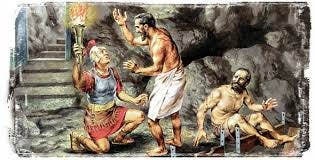
Sometimes it is worth investing heavily in avoiding a situation that could be more deadly.
In the morning the Jews joined in a conspiracy and bound themselves by an oath neither to eat nor drink until they had killed Paul. There were more than forty who joined in this conspiracy. They went to the chief priests and elders and said, ‘We have strictly bound ourselves by an oath to taste no food until we have killed Paul. Now then, you and the council must notify the tribune to bring him down to you, on the pretext that you want to make a more thorough examination of his case. And we are ready to do away with him before he arrives.’ Now the son of Paul’s sister heard about the ambush; so he went and gained entrance to the barracks and told Paul. Paul called one of the centurions and said, ‘Take this young man to the tribune, for he has something to report to him.’ So he took him, brought him to the tribune, and said, ‘The prisoner Paul called me and asked me to bring this young man to you; he has something to tell you.’ The tribune took him by the hand, drew him aside privately, and asked, ‘What is it that you have to report to me?’ He answered, ‘The Jews have agreed to ask you to bring Paul down to the council tomorrow, as though they were going to inquire more thoroughly into his case. But do not be persuaded by them, For more than forty of their men are lying in ambush for him. They have bound themselves by an oath neither to eat nor drink until they kill him. They are ready now and are waiting for your consent.’ So the tribune dismissed the young man, ordering him, ‘Tell no one that you have informed me of this.’ Then he summoned two of the centurions and said, ‘Get ready to leave by nine o’clock tonight for Caesarea with two hundred soldiers, seventy horsemen, and two hundred spearmen. Also provide mounts for Paul to ride, and take him safely to Felix the governor.’ - Acts 23:12-24
At first reading, the tribune here sounds like he is concerned for Paul's safety, but we have to consider the circumstances.
Paul was a Roman citizen. That point had been made known previously. If an unruly group succeeded in ambushing Paul and killing him, the Roman army would have had to respond, and most likely many people would be killed.
So, the tribune decides to send enough armed men with Paul to keep an insurrection down, and they would travel by another route.
While the Romans were not known for treating prisoners well, there were rules to follow regarding citizens, and severe punishment would be inflicted on those who broke those rules. So, out of an abundance of caution, the tribune surrounded Paul with a small army.
What this points out is the high cost we must pay to insure that justice is served properly and fairly, for our citizens, yes, but also for others. If we let the mob rule, we lose any chance at obtaining true justice.
Many will argue that point, and that discussion is what we need right now.
Paul trusted the authority of the Roman tribune, because he knew the law and his rights in the law. But what if he had not sent his nephew to the tribune and tried to take matters into his own hands, looking for a way to escape?
The outcome may have been much different.
So, it leaves us with the lesser of two evils question. And that is where justice lives.
More to come...