

Read Before Opening (Mouth)
Proverbs 27:1-6,10-12

We don’t read from Proverbs often enough.
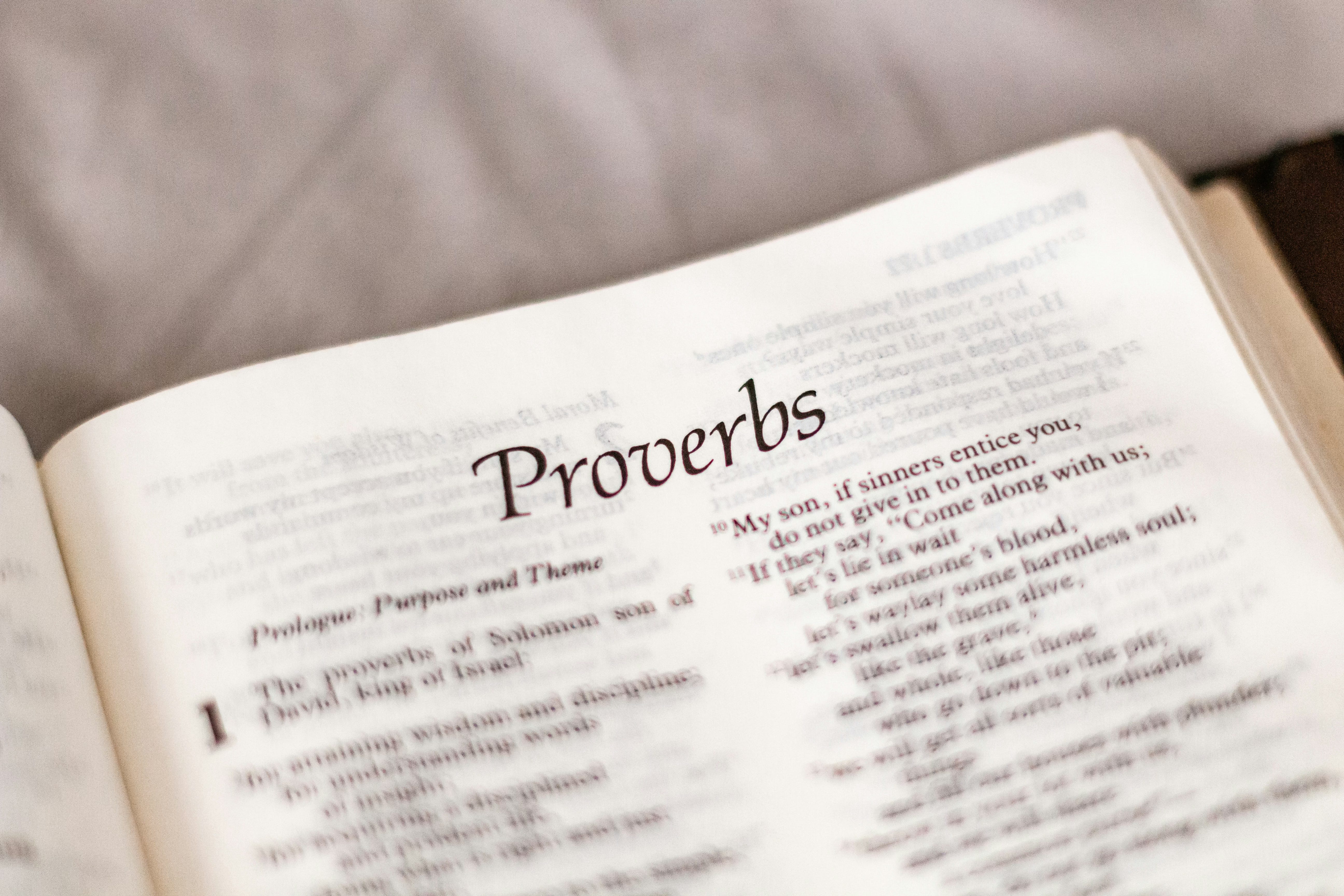
Photo by Sincerely Media on Unsplash
Do not boast about tomorrow, for you do not know what a day may bring. Let another praise you, and not your own mouth-- a stranger, and not your own lips. A stone is heavy, and sand is weighty, but a fool’s provocation is heavier than both. Wrath is cruel, anger is overwhelming, but who is able to stand before jealousy? Better is open rebuke than hidden love. Well meant are the wounds a friend inflicts, but profuse are the kisses of an enemy. Do not forsake your friend or the friend of your parent; do not go to the house of your kindred in the day of your calamity. Better is a neighbor who is nearby than kindred who are far away. Be wise, my child, and make my heart glad, so that I may answer whoever reproaches me. The clever see danger and hide; but the simple go on, and suffer for it. - Proverbs 27:1-6,10-12
There is wisdom in these words.
The Book of Proverbs is a compilation of sayings to be used as instructions for everyday life. They are intended to provide wisdom and understanding.
The book itself has a structure.
It begins with an introduction followed by a discourse on wisdom and folly. Then Solomon adds his commentary on wisdom and folly, followed by sayings of the wise and more from Solomon, a collection of sayings on leadership and social relationships.
It is from this collection that we have today’s reading.
We start out with clear statements about bragging and humility. Don’t be the one who indulges in self-praise. No one likes that guy.
Then it gets a little heavier, literally. The comment about a provoking fool is especially relevant today, with so many posting foolish thoughts and opinions solely to provoke others to respond.
The next one is interesting. It talks about loving correction versus silent affection. Wouldn’t we rather hear from a friend or lover what we are doing wrong than to have them remain silent? We writers know this all too well. Our friends and family often will encourage us rather than tell us what is wrong with our work.
Come to think of it, AI does the same thing. It is programmed to encourage us to keep using it.
Then we compare the friend who tells us how foolish we are to the enemy who strokes us and lies to us.
The following advice needs to be considered carefully. Whom do you run to when you are upset and angry? Do you bring your troubles to family or sit with a neighbor and seek their advice?
Finally, the reading ends with a parent’s advice on being wise. It is better to hide from danger than to run foolishly into it.
How many of us need to think long and hard about that one?
Maybe our civic leaders need to read that one. Or better yet, this book could be a prerequisite for obtaining the right to vote.
More to come...