

Truth Be Told
Luke 7:36-50

We have heard this story before, but it was different.
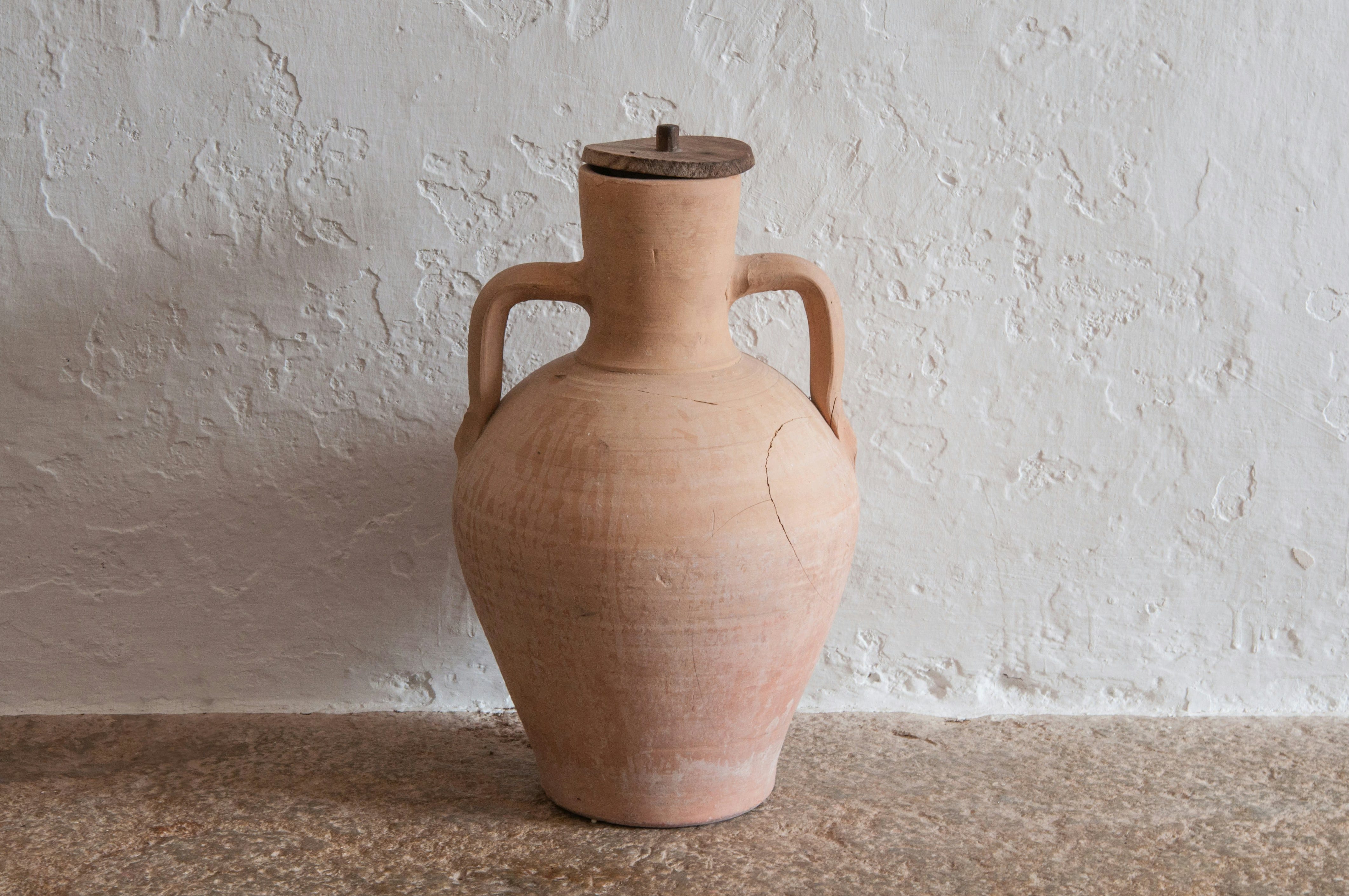
Photo by PIXAMD AMX on Unsplash
One of the Pharisees asked Jesus to eat with him, and he went into the Pharisee's house and took his place at the table. And a woman in the city, who was a sinner, having learned that he was eating in the Pharisee's house, brought an alabaster jar of ointment. She stood behind him at his feet, weeping, and began to bathe his feet with her tears and to dry them with her hair. Then she continued kissing his feet and anointing them with the ointment. Now when the Pharisee who had invited him saw it, he said to himself, "If this man were a prophet, he would have known who and what kind of woman this is who is touching him-- that she is a sinner." Jesus spoke up and said to him, "Simon, I have something to say to you." "Teacher," he replied, "Speak." "A certain creditor had two debtors; one owed five hundred denarii, and the other fifty. When they could not pay, he canceled the debts for both of them. Now which of them will love him more?" Simon answered, "I suppose the one for whom he canceled the greater debt." And Jesus said to him, "You have judged rightly." Then turning toward the woman, he said to Simon, "Do you see this woman? I entered your house; you gave me no water for my feet, but she has bathed my feet with her tears and dried them with her hair. You gave me no kiss, but from the time I came in she has not stopped kissing my feet. You did not anoint my head with oil, but she has anointed my feet with ointment. Therefore, I tell you, her sins, which were many, have been forgiven; hence she has shown great love. But the one to whom little is forgiven, loves little." Then he said to her, "Your sins are forgiven." But those who were at the table with him began to say among themselves, "Who is this who even forgives sins?" And he said to the woman, "Your faith has saved you; go in peace." - Luke 7:36-50
Do you remember John's version of this story?
It takes place at the home of Lazarus, Mary, and Martha, not at a Pharisee's home. And the woman with the oil was Mary, not a woman who was a sinner.
You can see why we Christians get confused, conflating the two stories.
In John's version, it is Judas Iscariot who questions the woman's use of the expensive oil. In Luke's version, the Pharisee questions Jesus being a prophet, not knowing the woman was a sinner.
Which is the true story, or are they both parables, told to make a point?
Having read both accounts, what is one to believe?
There are some minor differences in Mark and Matthew's accounts of this incident. It takes place at the home of Simon the leper, not Simon the Pharisee, and it is the disciples who object, saying the oil is expensive and the money should be used to feed the poor.
Can't you imagine all of these variations of the incident occurring today? Everyone reports something a little different, based on what point they want to make about it.
Nothing has changed. We are the same, unreliable sources that we were back in Jesus' day. Only today, we have immediate transmission of our thoughts to the world.
Uncertainty abounds. No wonder people have given up on religion. We expect the stories from the Old and New Testaments of the Bible to be true, and they are, to the extent that those telling the stories orally accurately conveyed what they saw and heard.
In the second century, apologists tried to defend the faith, explaining away, to the extent possible, these differences. But I wonder if that approach makes sense for us Christians today.
If you were going to share this story with someone who has never heard it, how would you recall it?
Would you talk about the cost of the oil or about the sinfulness of the woman?
I would mention both. Simon focused on the woman's sinfulness, while the disciples of Jesus focused on the value the oil would bring to help the poor.
Jesus responds to Simon with a parable about people who committed large and small sins, using debts as a substitute. And, in a way, Jesus responded to Judas the same way. What Jesus was doing for the woman by letting her anoint him was worth more than using that money to feed the hungry or help the poor.
If we look closely at the acts of kindness and healing of Jesus we see something that is easy to overlook. Jesus made everything personal. He was doing the Father's work on a one-to-one basis.
Yes, he could tell the woman to sell the oil and feed the hungry, but to heal her, he let her anoint him.
That is what Christianity is all about. We are called to get personal, to be God's presence for others.
And that's the truth we need to share.
More to come...