

Unredeemed
Matthew 27:1-10

Sometimes we realize the error of our ways too late.
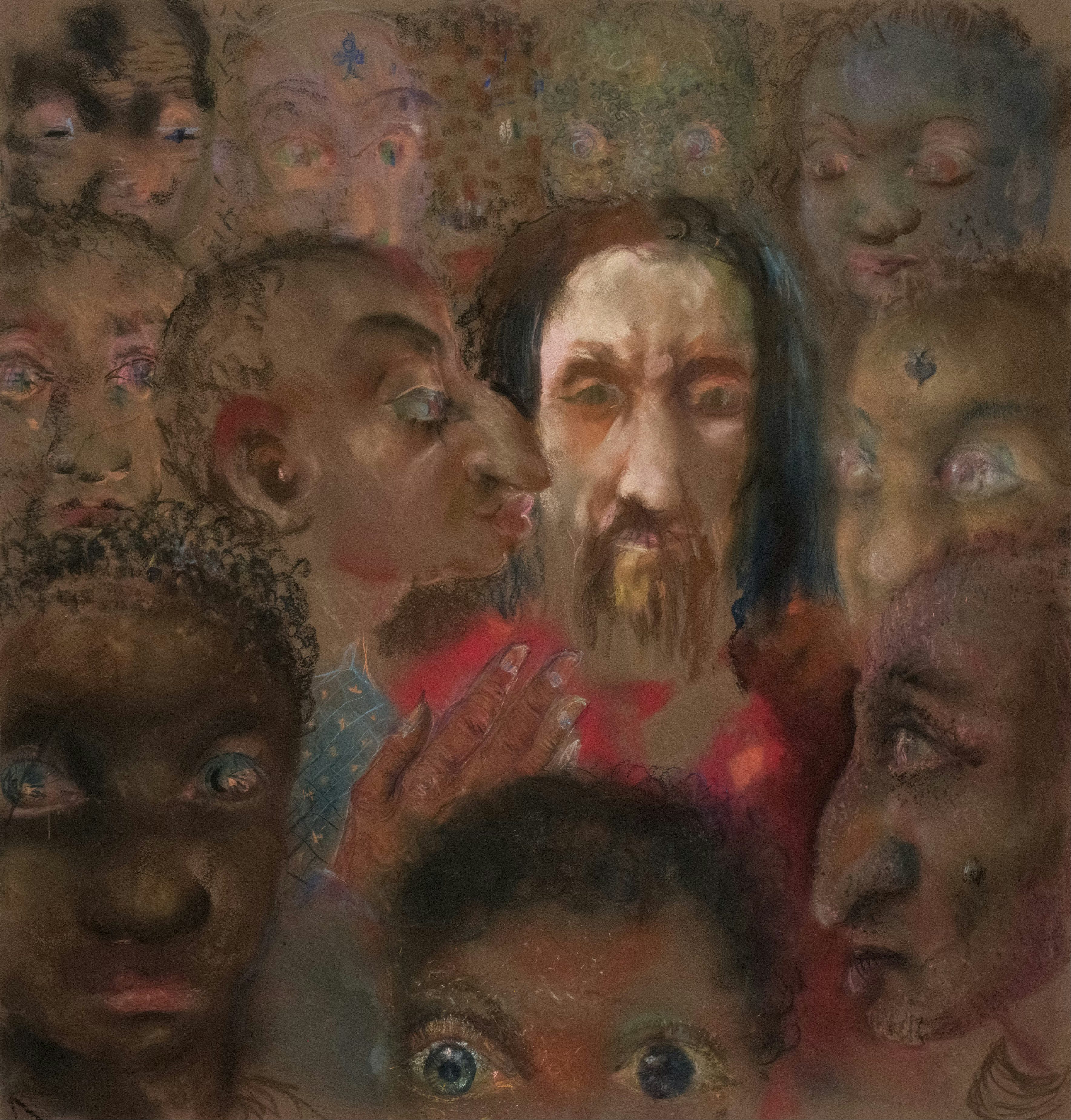
Image by Europeana at Unsplash
When morning came, all the chief priests and the elders of the people conferred together against Jesus in order to bring about his death. They bound him, led him away, and handed him over to Pilate the governor. When Judas, his betrayer, saw that Jesus was condemned, he repented and brought back the thirty pieces of silver to the chief priests and the elders. He said, “I have sinned by betraying innocent blood.” But they said, “What is that to us? See to it yourself.” Throwing down the pieces of silver in the temple, he departed; and he went and hanged himself. But the chief priests, taking the pieces of silver, said, “It is not lawful to put them into the treasury, since they are blood money.” After conferring together, they used them to buy the potter’s field as a place to bury foreigners. For this reason that field has been called the Field of Blood to this day. Then was fulfilled what had been spoken through the prophet Jeremiah, “And they took the thirty pieces of silver, the price of the one on whom a price had been set, on whom some of the people of Israel had set a price, and they gave them for the potter’s field, as the Lord commanded me.” - Matthew 27:1-10
In today’s reading, we get to see Judas repent.
Yes, Judas repents. But we don’t give him credit for that, do we? We are so accustomed to John’s Gospel, where he reminds us over and over again that Judas is the one to betray Jesus, that we gloss right over what Judas does when Jesus is condemned to death.
Out of sight, out of mind.
I believe that if Judas hadn’t ended his life, we would have had epic movies about him, like we did about Barabas. And what would the story of his life have been like?
Would the other apostles have welcomed him back? Would he have come to them? Would Jesus have encountered him on the road?
We don’t know what his occupation was before he became an apostle, but we do know that he managed the money for the group.
Jesus tells us that redemption is possible. We need to repent of our sins and turn back to God. Judas repented. He tried to undo the damage he had done, but it was too late.
What should he have done next?
I can imagine him trying to see Jesus. He could be in the courtyard and see Peter deny Jesus three times.
He could follow the Way of the Cross, trying to get close to Jesus to talk to him.
He could be kneeling at the tomb, praying for Jesus and for himself.
By ending his life, Judas robbed us of a meaningful lesson about repentance and redemption.
Had he lived, we could have followed him back from the depths of despair and anguish to grace. He could have been the example of God’s love and grace that Jesus talked about so much.
So, Judas failed himself.
If we try to imagine a version of this story where Judas doesn’t kill himself, we may be able to find the true meaning of God’s grace. We are all sinners. Unfortunately, we draw comparisons.
There but for the grace of God, we say, but what we mean is what the man praying at the Temple said. Thank you, God, that I am not like this man.
Maybe, for just a moment, we should see ourselves as Judas.
More to come...
Judas predestination bothers me since I like to believe that everyone has free choice. Jesus announced to his Apostles that one among them would betray him. Like clockwork, Judas did.
On one level, I understand why Judas did what he did. But, on another level, I see no avenue for free choice for him . It is one of those mysteries I have trouble reconciling in my mind.