

We Think We Know the Rules

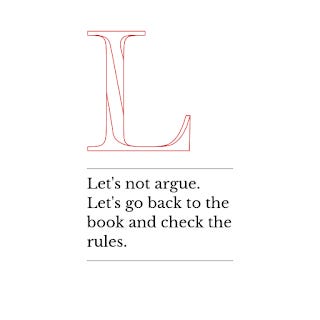
Have you ever stopped to check the instructions and discover that you had been playing the game all wrong?
Every once in a while, when gathering with friends, we will sit down to play a game, only to find that some of us have a different set of rules we follow. It can be disturbing, since we have been playing the game that way all our lives.
When the king heard the words of the book of the law, he tore his clothes. Then the king commanded the priest Hilkiah, Ahikam son of Shaphan, Achbor son of Micaiah, Shaphan the secretary, and the king's servant Asaiah, saying, "Go, inquire of the LORD for me, for the people, and for all Judah, concerning the words of this book that has been found; for great is the wrath of the LORD that is kindled against us, because our ancestors did not obey the words of this book, to do according to all that is written concerning us." 2 Kings 22:11-13
In today's reading from Second Kings, we see an example of a revelation. The High Priest, Hilkiah, discovers a book and when the words of the book are read, all realize they had been playing the game the wrong way.
In this case, tradition has failed them.
In our churches, at work, and in nearly every aspect of our lives, we mock those who say, "But this is the way we have always done it," but are we any more open to other perspectives?
Do we go back to the book and check the rules to see if we have slipped off course?
In the book of life, we have traditions and foundations. They are not the same.
The more traditions we build on the foundation of our faith, the more easily we may be distracted from the purpose to which we are called.
I am not saying we should do away with our traditions. They are important to us, and they give us a framework for our worship, our study, and our interactions with each other.
The problem we run into is that sometimes we remember the traditions and forget why we do them.
We think we know the rules, but we actually know the way we interpret them.
People of all faiths can be led astray by their own best intentions. When I look at how fundamentally similar the three Abrahamic religions are in their sources, I am amazed at how we could be at odds with each other.
But it is not the foundations that are different, but the traditions built up upon them.
Of course, I am oversimplifying, but maybe we need a simpler view of our faiths in order to find a way to talk with each other. For it is only through communication that we can begin to understand each other, and understanding will bring us closer to believing that we are truly brothers and sisters who really can love each other.
Imagine what God would do if all of a sudden we children came to our sense and stopped killing each other and started loving each other!
Let's go back to the book and check the rules again. I think we are playing this game all wrong.
More to come...